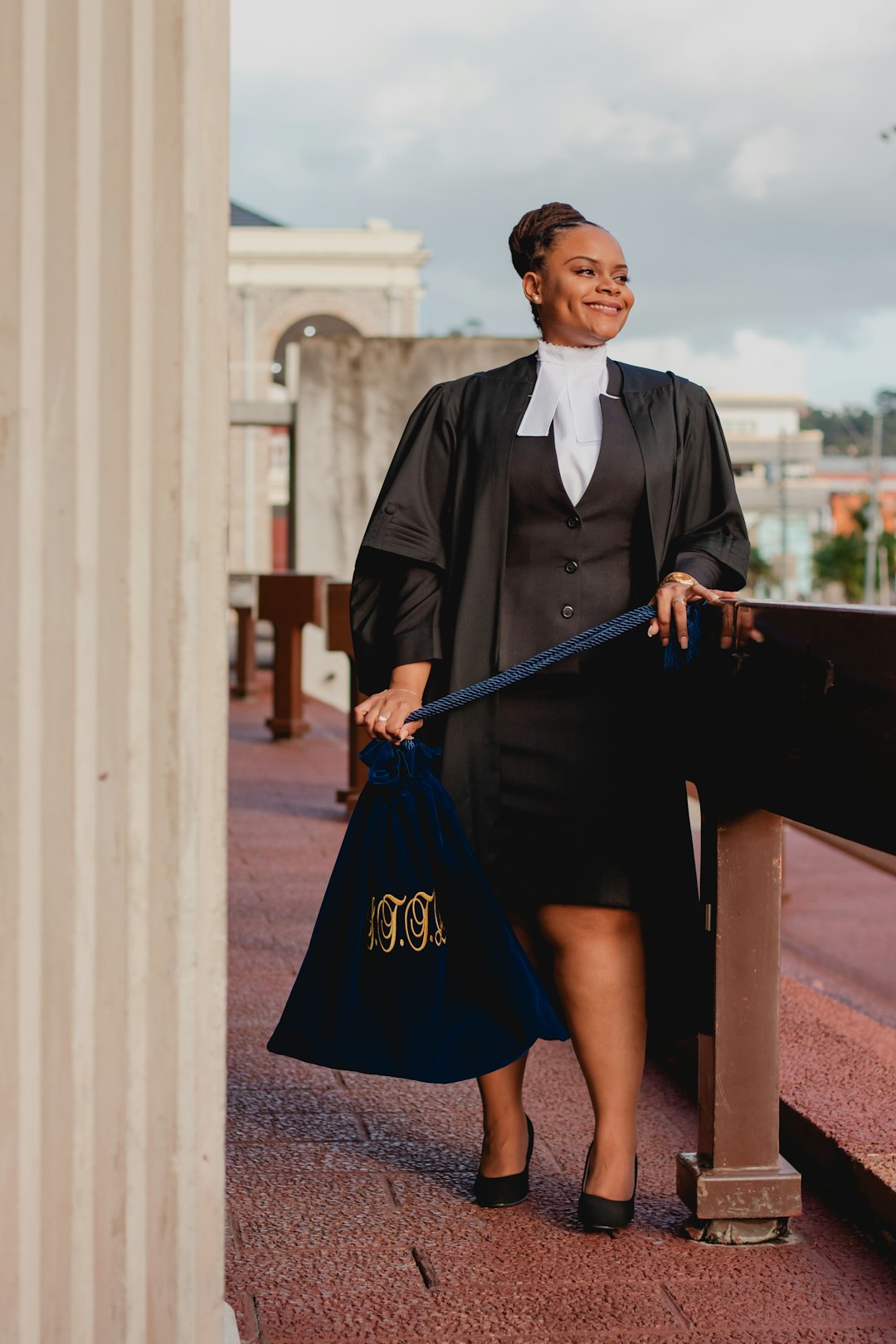
Philadelphia witnesses a surge in telemarketing violations, with Do Not Call Lawyers providing crucial legal guidance. The Pennsylvania Telemarketing Act protects residents from aggressive sales tactics by prohibiting calls to registered consumers. Businesses must train staff, implement oversight, track call records, and stay informed to avoid fines and penalties. Do Not Call Lawyers offer compliance strategies, educate consumers, and secure substantial fines against violators, fostering accountability. Enhanced monitoring, consumer education, ethical standards, and swift legal action are needed to prevent future violations.
Recent developments in telemarketing have highlighted a persistent issue: violations of consumer rights. In Philadelphia, Do Not Call Lawyers have seen an increase in cases where businesses disregard legal boundaries, causing distress to residents. This article delves into the intricacies of these case studies, examining strategies employed by unscrupulous marketers and the consequences they face. We will explore successful legal interventions, focusing on how Philadelphia’s strict regulations are enforced. By understanding these trends, consumers and legal professionals alike can better navigate the complex landscape of telemarketing, ensuring compliance and safeguarding rights.
Understanding Telemarketing Laws in Philadelphia

In recent years, Philadelphia has witnessed a surge in telemarketing violations, underscoring the need for businesses and consumers alike to understand the city’s stringent regulations. The Do Not Call Lawyers Philadelphia have been at the forefront of these efforts, working diligently to ensure compliance with local laws. At the heart of these regulations lies the Pennsylvania Telemarketing Act, designed to protect residents from aggressive sales tactics and unwanted calls. This act prohibits telemarketers from making phone calls to individuals who are listed on the Do Not Call Registry, a robust database maintained by the state.
One notable case involves a local marketing firm that was fined for repeatedly ignoring registered consumers’ requests to stop calling. The company’s failure to adhere to the Pennsylvania Telemarketing Act resulted in significant penalties and a damaged reputation. This incident serves as a stark reminder of the consequences businesses face when they overlook consumer rights. To avoid such pitfalls, companies must familiarize themselves with Philadelphia’s legal landscape, which includes strict rules regarding call frequency, caller ID representation, and disclosure of sales purposes.
Practical insights for businesses operating in Philadelphia include investing in comprehensive training for telemarketing staff, implementing robust internal oversight mechanisms, and utilizing technology to track and monitor call records. Additionally, staying informed about regulatory updates is paramount. The Do Not Call Lawyers Philadelphia offer valuable resources and guidance, ensuring that businesses remain compliant and respect the privacy of their customers. By adhering to these guidelines, companies can foster trust, enhance customer satisfaction, and navigate the legal landscape with confidence.
Common Violations: A Look at Recent Cases

In recent years, Philadelphia has witnessed a surge in telemarketing violations, with numerous cases involving unscrupulous callers targeting residents. These violations range from aggressive sales tactics to ignoring do-not-call requests, leading to significant consumer complaints. According to data from the Pennsylvania Department of State, there was a 20% increase in telemarketing-related complaints between 2021 and 2022, with many of these originating from Philadelphia. One common violation observed is the disregard for registered do not call lists, with calls persistently arriving despite consumers’ explicit requests to be left alone. For instance, a recent case involved a local company making repeated calls to an elderly resident who had clearly indicated her preference not to be contacted.
Another prevalent issue is the use of deceptive practices, such as impersonating government agencies or falsely claiming to offer exclusive deals. Do Not Call Lawyers Philadelphia has successfully taken on several cases where callers posed as federal agents or utility companies, misleading residents into providing sensitive information. These tactics not only violate consumer rights but also undermine public trust in legitimate businesses and organizations. The consequences of these violations can be severe, with fines ranging from hundreds to thousands of dollars, as imposed by the Pennsylvania Public Utility Commission.
To combat this rising concern, Philadelphia’s legal community has stepped up, with Do Not Call Lawyers Philadelphia playing a pivotal role in advocating for consumer rights. Their expertise lies in navigating complex telemarketing regulations and helping victims seek justice. Through strategic litigation and public awareness campaigns, these lawyers are fostering a culture of accountability among telemarketers. By exposing persistent violators and securing substantial penalties, they serve as a deterrent to potential wrongdoers. Additionally, they offer practical advice to consumers, educating them on their rights and the importance of registering with do-not-call lists to mitigate unwanted calls.
The Role of Do Not Call Lawyers Philadelphia

In recent years, Philadelphia has seen a surge in telemarketing violations, prompting heightened scrutiny from regulators and consumers alike. Do Not Call Lawyers Philadelphia have emerged as crucial catalysts in addressing this issue, offering legal expertise to navigate the complex landscape of consumer protection laws. These lawyers play a pivotal role in upholding the rights of Philadelphians by ensuring that telemarketers adhere to established guidelines, particularly regarding the famous “Do Not Call” list.
One notable case involved a local telecom company that engaged in relentless cold-calling, ignoring registered do-not-call requests. Do Not Call Lawyers Philadelphia stepped in, presenting compelling evidence and successfully arguing a case that resulted in substantial fines for the violator. This strategic approach not only deterred further misuse but also highlighted the significance of consumer privacy rights. The lawyers’ expertise in telemarketing law has led to numerous settlements, ensuring that businesses respect the boundaries set by the “Do Not Call” registry, which currently stands at over 300,000 registered numbers in Pennsylvania.
Moreover, Do Not Call Lawyers Philadelphia are instrumental in educating both consumers and businesses about their rights and responsibilities. They provide actionable advice to individuals, such as explaining how to register for the do-not-call list and what steps to take if they experience harassment. For businesses, these lawyers offer compliance strategies and risk management solutions, ensuring they stay within legal boundaries. As Philadelphia continues to grapple with telemarketing violations, these legal experts remain at the forefront, advocating for a harmonious balance between business interests and consumer protection.
Impact on Consumers: Rights and Recourse

In recent years, Philadelphia has witnessed a surge in telemarketing violations, impacting countless consumers who have fallen victim to aggressive sales tactics and unlawful practices. These cases not only demonstrate the persistence of such activities but also highlight the significant impact on individuals’ rights and their available recourse. According to the Pennsylvania Attorney General’s Office, hundreds of complaints against telemarketers have been filed in Philadelphia alone, with many consumers expressing frustration over unsolicited calls, misrepresented products, and high-pressure sales.
The consequences for consumers can be profound, ranging from financial loss to severe emotional distress. Unscrupulous telemarketers often employ deceptive strategies, such as pretending to represent legitimate organizations or using automated dialers to make countless unwanted calls. For instance, a recent case involved a company making fraudulent claims about government grants, tricking vulnerable individuals into paying substantial fees for non-existent services. This not only depletes consumers’ finances but also erodes their trust in legal and governmental institutions. Do Not Call Lawyers Philadelphia have seen an increase in clients seeking assistance, emphasizing the need for stricter enforcement and greater consumer education.
Consumers affected by such violations possess several rights and avenues for recourse. The Telephone Consumer Protection Act (TCPA) provides robust protections against unwanted telemarketing calls. Victims can file complaints with the Federal Trade Commission (FTC) or their state attorney general’s office, which can lead to penalties for violators. Moreover, individuals may seek legal action through Do Not Call Lawyers Philadelphia to recover damages and receive compensation for emotional distress caused by these violations. It is crucial for consumers to document all interactions, keep records of calls, and promptly report suspicious activities to safeguard their rights and ensure accountability among telemarketers.
Preventing and Addressing Future Violations

In recent years, Philadelphia has witnessed a surge in telemarketing violations, prompting concerns among consumers and regulatory bodies alike. Case studies reveal patterns of aggressive sales tactics, unsolicited calls, and misrepresented information, leading to numerous complaints against telemarketers. Do Not Call Lawyers Philadelphia have been instrumental in addressing these issues, offering expert guidance and legal recourse to affected individuals.
Preventing future violations requires a multi-faceted approach. Regulatory agencies must enhance monitoring efforts, imposing stricter penalties for violators to act as a deterrent. Education plays a pivotal role; empowering consumers with knowledge about their rights and the Do Not Call Registry can significantly reduce abusive practices. For instance, a 2022 study showed that states with robust consumer education programs experienced lower violation rates. Additionally, businesses should implement ethical telemarketing standards, ensuring compliance with regulations like the Telephone Consumer Protection Act (TCPA). Regular audits and employee training can help maintain integrity in sales practices.
Addressing violations effectively involves swift action by legal professionals. Do Not Call Lawyers Philadelphia have successfully pursued cases against repeat offenders, securing substantial settlements and sending a clear message to the industry. Collaboration between legal experts, regulators, and consumer advocacy groups is essential to creating a robust framework. By sharing data, strategies, and best practices, they can adapt to evolving telemarketing tactics and ensure consumer protection. For example, a collaborative effort led to the development of advanced call tracking systems, enabling authorities to identify and penalize non-compliant companies more efficiently.