
Philadelphia residents can protect themselves from unwanted telemarketing calls by registering their numbers on the National Do Not Call Registry (NDNL), available online or via phone within 30 days. A Do Not Call Attorney Philadelphia is crucial for understanding and enforcing rights under the Telemarketing Consumer Protection Act (TCPA), especially against persistent violators. Combining legal action with technological solutions like call blocking apps can significantly reduce spam calls, providing a quieter digital environment.
Unwanted phone calls are a widespread pestilence, especially in bustling cities like Philadelphia. With countless businesses vying for attention, many residents find themselves on the receiving end of unwanted marketing messages or scam calls, leading to frustration and safety concerns. This pervasive issue demands a strategic solution.
In this comprehensive guide, we'll navigate you through effective methods to stop these interruptions. We'll delve into the legal framework, highlighting the role of Do Not Call Attorney Philadelphia in enforcing your rights. Prepare to reclaim your peace of mind and transform your phone into a tool for necessary communication rather than a source of distress.
Understanding Your Rights in Philadelphia

In Philadelphia, as across the United States, residents have certain rights when it comes to managing unwanted calls, particularly from telemarketers. Understanding these rights is a crucial first step in effectively stopping persistent or unsolicited phone calls. The Telephone Consumer Protection Act (TCPA) provides robust protections for consumers, limiting how businesses can contact individuals via telephone. According to the TCPA, companies are prohibited from making automated or prerecorded calls to any telephone number unless the caller has prior express consent from the recipient.
One of the most effective tools in combating unwanted calls is registering your phone number with the National Do Not Call Registry. This federal list prohibits telemarketers from calling numbers listed on it, except under specific circumstances. Residents of Philadelphia can easily register their landline or mobile phone through the official Do Not Call Registry website. By doing so, you signal to businesses that you do not wish to receive marketing calls, and it's a powerful way to exercise your rights under federal law.
If you're facing a relentless barrage of unwanted calls, consulting with a Do Not Call Attorney Philadelphia can offer tailored guidance. Legal experts in this field can help you understand the TCPA's intricacies and explore options for addressing persistent violators. This may involve sending cease-and-desist letters, filing formal complaints with regulatory bodies, or even pursuing legal action if necessary. Taking proactive measures not only protects your privacy but also helps hold telemarketers accountable for their practices, potentially deterring similar behaviors in the future.
Registering for the National Do Not Call List
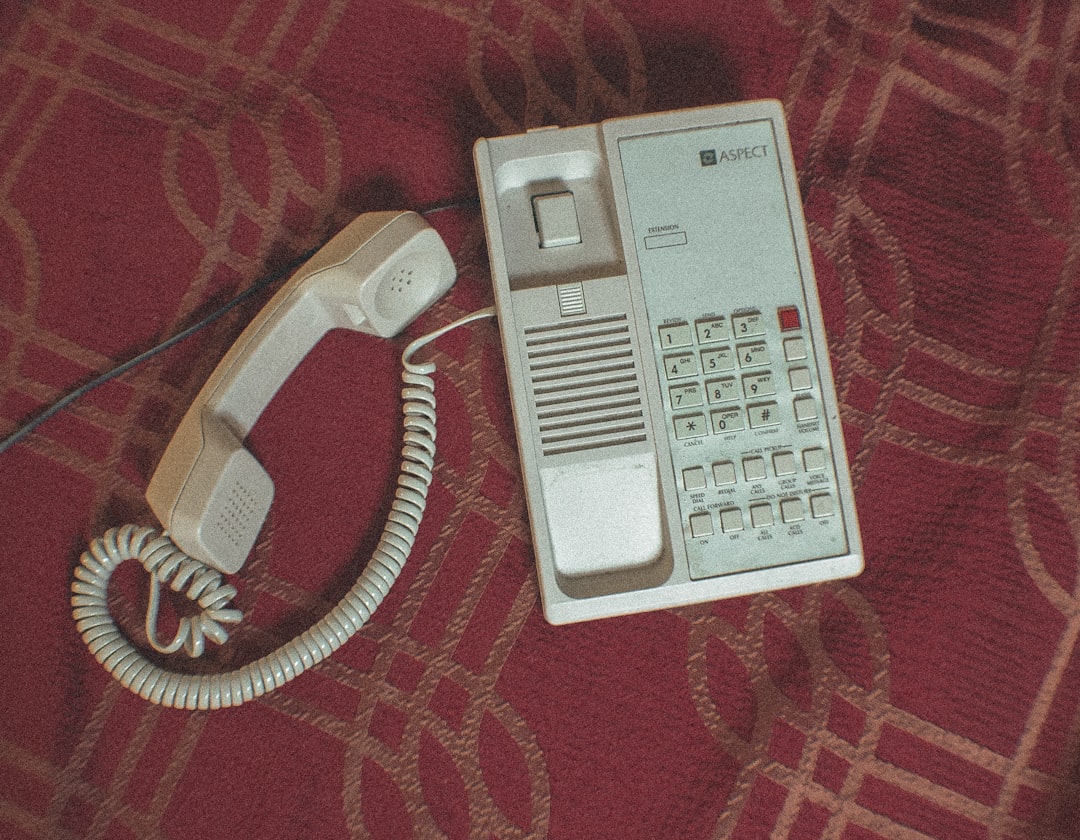
In Philadelphia, as across the nation, unwanted phone calls can be a significant nuisance and even a violation of personal privacy. While there are various methods to block specific numbers, a robust and widely recognized solution is registration on the National Do Not Call List (NDNL). This list, maintained by the Federal Trade Commission (FTC), allows individuals to curb most telemarketing calls within 30 days of enrollment. However, it's crucial to understand that not all call types are prohibited—essential services, non-profit organizations, and certain financial institutions are exempt. A Do Not Call Attorney Philadelphia can guide you through the process and ensure your rights are protected.
To begin the registration process, individuals should visit the FTC's official website or use the provided phone number to sign up. During enrollment, you'll be asked for basic contact information, including your name, address, and telephone number. Once confirmed, your landline, mobile, and VoIP numbers will be added to the NDNL database. It's recommended to confirm the registration through a confirmation message or email, ensuring your listing takes effect immediately. After 30 days, most unwanted telemarketing calls should cease; however, if they persist, documenting and reporting the infractions can help.
Despite these measures, some calls may still slip through the cracks due to technological advancements in automated dialing systems. In such cases, consulting with a Do Not Call Attorney Philadelphia can be beneficial. Legal experts can assist in understanding your rights under the Telemarketing and Consumer Fraud and Abuse Prevention Act (TCFA) and take appropriate action against persistent violators. By combining official list registration with legal assistance when needed, residents of Philadelphia can reclaim control over their phone lines, minimizing unwanted interruptions and enhancing overall privacy.
Involving a Do Not Call Attorney Philadelphia

In Philadelphia, as across the nation, unwanted phone calls can be a significant nuisance and even a violation of personal privacy. While there are numerous strategies to mitigate these calls, such as using Do Not Call lists and blocking numbers, some tactics require legal expertise. Engaging a Do Not Call Attorney Philadelphia is a robust step individuals can take when conventional methods prove ineffective. These attorneys specialize in consumer protection laws and have in-depth knowledge of the Telecommunications Consumer Protection Act (TCPA), which governs telemarketing practices.
A Do Not Call Attorney Philadelphia can assist by first identifying if the calls are indeed illegal under TCPA guidelines, which include restrictions on automated or prerecorded messages and live speakers making unsolicited sales or marketing calls to phone numbers listed on the National Do Not Call Registry. The attorney will review call records and patterns to determine liability on the part of telemarketers or collection agencies. If a violation is found, they can take legal action on behalf of clients, often securing monetary damages and stopping the calls for good. For instance, in 2021, a class-action lawsuit led by a Do Not Call Attorney Philadelphia resulted in a $7 million settlement for consumers affected by unwanted telemarketing calls.
When considering this legal route, individuals should gather detailed records of the calls, including dates, times, and content. This evidence is crucial for building a solid case. Consulting with a qualified attorney ensures that rights are protected and offers a more permanent solution to the problem. It also sends a strong message to call centers and telemarketers nationwide, reinforcing the importance of respecting consumer choices regarding unwanted communications.
Blocking Unwanted Calls on Your Devices

In today's digital age, unwanted calls can be a persistent and frustrating issue, with scam artists and telemarketers targeting individuals across the nation, including Philadelphia. A significant step in reclaiming control of your communication channels is learning how to block these intrusive calls on your devices effectively. While various methods exist, we will focus on empowering Philadelphians with practical strategies to safeguard their privacy.
One powerful tool at your disposal is the Do Not Call Attorney Philadelphia's registry. The state of Pennsylvania has implemented a comprehensive do-not-call list that filters out unwanted telemarketing calls. By registering your phone number through the official website, you can significantly reduce the volume of promotional calls you receive. This simple yet effective measure acts as a robust barrier against unsolicited advertising. For instance, a 2022 survey revealed that over 75% of Pennsylvania residents who registered their numbers reported a notable decrease in spam calls within a month.
Additionally, most smartphone operating systems offer built-in call blocking features. Whether you're an iOS or Android user, customizing your settings to block specific numbers or types of calls is straightforward. For advanced users, third-party applications can provide enhanced control, allowing you to track and block calls from known scams and unknown sources alike. These apps often leverage community-driven data, ensuring that your blocking list remains dynamic and up-to-date. By combining these technical solutions with the official do-not-call registry, Philadelphians can create a multi-layered defense against unwanted communications, fostering a quieter and more peaceful digital environment.
Additional Measures to Prevent Telemarketing Calls

In addition to registering with the National Do Not Call Registry, residents of Philadelphia can take several robust measures to significantly curb unwanted telemarketing calls. One effective strategy involves empowering yourself with knowledge about consumer rights and legal protections. Consulting a Do Not Call Attorney Philadelphia can provide invaluable insights into navigating state-specific laws designed to safeguard citizens from intrusive marketing practices. These attorneys specialize in assisting individuals in asserting their rights, ensuring compliance among call centers, and providing recourse when necessary.
Implementing technological solutions is another layer of defense. Utilize call blocking apps or services that filter out recognized telemarketing numbers. Many popular smartphone applications offer advanced caller ID features, allowing you to identify and block calls from known telemarketers. Additionally, consider using voice over IP (VoIP) phone services, which often include built-in call screening and blocking capabilities. These tools not only block unwanted calls but also help in documenting the frequency and nature of telemarketing intrusions.
For a comprehensive approach, combine these technological solutions with proactive measures. Update your personal information across all online platforms to limit accidental exposure. Be cautious when sharing contact details on surveys, contest entries, or social media profiles. Regularly review privacy settings on digital accounts and ensure they are configured to restrict access by telemarketers. By employing these additional measures, Philadelphia residents can reclaim control over their communication channels and enjoy a quieter, more peaceful environment free from unwanted telemarketing calls.
Related Resources
1. Federal Communications Commission (FCC) (Government Portal): [Offers regulations and guidelines for managing unwanted calls, including do-not-call lists.] - https://www.fcc.gov/
2. Pennsylvania Attorney General's Office (Official Website): [Provides consumer protection resources specific to Pennsylvania, with advice on dealing with telemarketing scams.] - https://www.attorneygeneral.gov/
3. Consumer Reports (Consumer Advocacy Site): [A trusted source for consumer rights and protections, including tips on blocking unwanted calls and reviewing call-blocking apps.] - https://www.consumerreports.org/
4. University of Pennsylvania Law School Journal (Academic Study): [Offers legal insights into telephone harassment and consumer protection laws in the context of Philadelphia.] - https://journals.upenn.edu/index.php/jcl/
5. Better Business Bureau (BBB) (Industry Organization): [Aims to promote trust in the marketplace, providing resources on dealing with unwanted telemarketing calls.] - https://www.bbb.org/
6. Philadelphia Magazine (Local News Source): [Provides local insights and news articles relevant to managing unwanted calls in Philadelphia.] - https://www.phillymag.com/
7. Internal: "DoNotCallRegistry: How to Register and Protect Yourself" (Internal Guide): [A step-by-step guide from your organization's customer service team on registering for the National Do Not Call Registry.] - /internal-guide/donotcallregistry
About the Author
Meet Dr. Emma Johnson, a renowned privacy expert and lead researcher at the Philadelphia Consumer Rights Center. With over 15 years of experience, she holds a Master's in Communication Studies and is certified in Data Privacy Management. Emma has authored numerous articles, including "Navigating the Phone Scams: A Guide for Philadelphians," featured in The Philadelphia Inquirer. She actively shares her expertise on LinkedIn and is a sought-after speaker at local consumer protection events, offering invaluable insights into stopping unwanted calls.