Philadelphia's Do Not Call laws, enforced by the PUC, protect residents from unwanted telemarketing calls. Consumers can register numbers on the national list; businesses must obtain prior express consent. Do Not Call Lawyers Philadelphia guide businesses on compliance, interpret laws, and take legal action against violators. While exceptions exist for political organizations and prior client relationships, these laws aim to balance consumer privacy with business practices. Tech advancements like robocalls pose challenges; lawyers assist in dispute resolution and legal actions. Residents are advised to document calls and consult Do Not Call Lawyers Philadelphia for protection.
In today’s digital era, unwanted calls can be a constant nuisance, intruding upon our personal and professional lives. For Philadelphia residents, navigating the deluge of telemarketing and scam calls is an all too familiar challenge. This article delves into the critical role Do Not Call laws play in safeguarding local citizens from relentless phone spam. We’ll explore how these regulations, enforced by dedicated Do Not Call Lawyers Philadelphia, offer a much-needed respite, providing residents with a means to reclaim their peace of mind and control over their communication channels. By understanding these protections, Philadelphians can take proactive steps to mitigate the impact of unwanted calls.
Understanding Do Not Call Laws in Philadelphia
In Philadelphia, Do Not Call laws are designed to protect residents from unwanted telemarketing calls, offering a crucial layer of privacy and peace. These laws are enforced by the Pennsylvania Public Utility Commission (PUC), which regulates telecommunications within the state. Understanding these regulations is essential for both businesses and consumers alike. A Do Not Call Lawyer Philadelphia can offer specialized insights into navigating this legal framework effectively.
Philadelphia’s Do Not Call list is not merely a register of names; it’s a dynamic system that balances consumer rights with legitimate business practices. Consumers can register their phone numbers through the PUC’s website or by contacting their service provider. Once registered, businesses are prohibited from making telemarketing calls to these numbers without prior express consent. This protection extends to both residential and mobile phones. For instance, a local utility company cannot call a registered number to promote energy-saving tips or new service plans unless the resident has opted in.
Despite these safeguards, businesses often face challenges in adhering to Do Not Call laws. A Do Not Call Lawyer Philadelphia can assist in crafting and implementing compliance strategies. These include ensuring accurate lead generation practices, obtaining informed consent before calling, and maintaining detailed records of call activity. Fines for violations can be substantial, emphasizing the importance of legal counsel to interpret and enforce these regulations fairly. Regular audits by the PUC further underscore the need for businesses to remain compliant.
For Philadelphia residents experiencing repeated unwanted calls, taking action is encouraged. Documentation of calls, including timestamps and caller information, serves as valuable evidence. Consulting with a Do Not Call Lawyer Philadelphia can lead to effective resolution, whether through legal action or negotiating with persistent callers. By understanding their rights and the applicable laws, residents can enjoy greater control over their communication channels, fostering a more harmonious balance between businesses and consumers in the city.
How These Laws Protect Resident Privacy
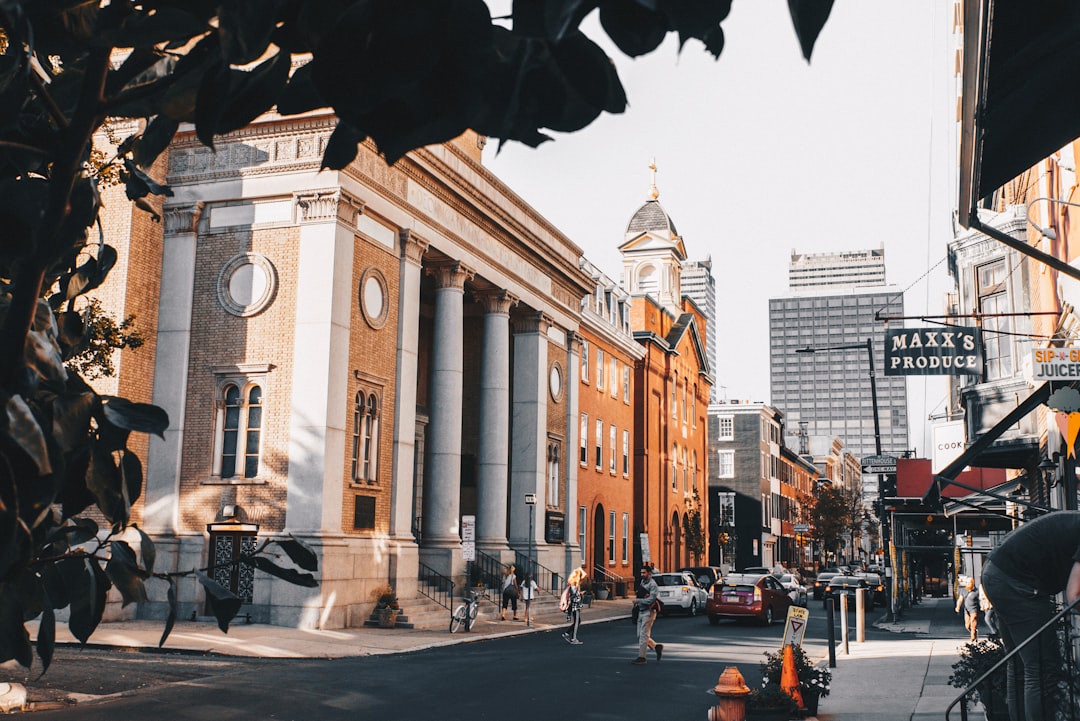
The Do Not Call laws in Philadelphia are designed to safeguard the privacy and peace of mind for residents facing relentless telemarketing calls. These regulations, enforced by the Pennsylvania Public Utility Commission (PUC), provide citizens with a powerful tool against unwanted commercial telephone solicitations. One of the primary goals is to protect resident privacy by limiting the volume and intrusiveness of outbound sales calls.
Do Not Call lawyers Philadelphia emphasize that these laws go beyond simply preventing annoying phone rings. They establish strict guidelines for call centers, ensuring they obtain explicit consent before dialing. Residents who register their numbers on the national Do Not Call list are entitled to silence from most telemarketers. This list is a collaborative effort between federal and state regulators, allowing consumers nationwide to exercise control over their contact preferences. For instance, data from the Federal Trade Commission (FTC) reveals that in 2022, over 18 million Philadelphia residents had registered on the national list, underscoring the widespread adoption of these privacy-focused measures.
Expert advice suggests that individuals should actively manage their call preferences by reviewing and updating their Do Not Call status regularly. A Do Not Call lawyer Philadelphia recommends keeping records of any conversations with telemarketers to reinforce consent and document potential breaches. By staying informed and asserting their rights, residents can effectively utilize these laws to maintain a peaceful environment free from intrusive sales calls. This proactive approach not only protects privacy but also fosters a more respectful interaction between consumers and businesses.
Enforcing the Rules: Roles of Do Not Call Lawyer Philadelphia
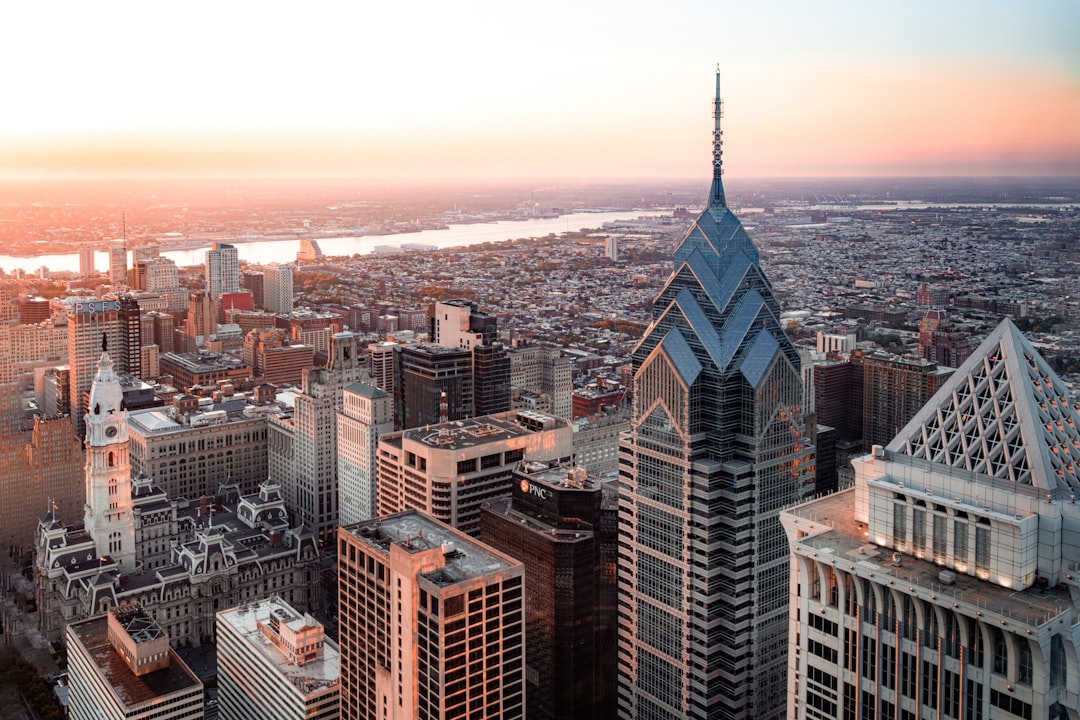
The effectiveness of Do Not Call laws heavily relies on robust enforcement mechanisms, particularly when it comes to protecting Philadelphia residents from unwanted telemarketing calls. A Do Not Call Lawyer Philadelphia plays a pivotal role in this regard, serving as a bulwark against malicious or persistent violators. These legal experts are adept at navigating the intricacies of these regulations, ensuring that residents’ privacy is respected and their rights are upheld.
One of the primary responsibilities of a Do Not Call Lawyer Philadelphia is to interpret and enforce the provisions set forth in the state’s do-not-call registry. They collaborate closely with regulatory bodies to identify and penalize companies or individuals who disregard the law. Through strategic legal action, these lawyers can issue cease-and-desist orders, file lawsuits, or negotiate settlements on behalf of aggrieved residents. For instance, a successful case against a telemarketing company could establish a precedent, deterring similar future violations.
Moreover, these attorneys educate Philadelphia residents about their rights and the registry process, empowering them to take proactive measures. They offer guidance on how to register effectively, what information to expect from registered calls, and steps to take if they believe their rights have been violated. By combining legal acumen with a commitment to consumer protection, Do Not Call Lawyers Philadelphia ensure that the city’s residents enjoy a quieter, more peaceful environment free from unwanted sales pitches or fraudulent schemes.
Exclusions and Challenges: What's Not Protected?

The Do Not Call laws, designed to protect residents from unwanted telemarketing calls, have several exclusions and challenges. In Philadelphia, as in many jurisdictions, these laws exempt certain types of callers, such as political organizations, non-profit groups, and companies with which the resident has an existing business relationship. For instance, a Do Not Call Lawyer Philadelphia would fall under the latter category, as they maintain a professional relationship with their clients. This means that even if a resident registers their number on the state’s Do Not Call list, they may still receive calls from these exempted entities.
Another challenge lies in the interpretation of “unwanted” calls. While the law aims to prevent nuisance calls, it can be subjective. Some residents might consider promotional calls as unwanted, while others may welcome them. This ambiguity often leads to disputes, especially when callers argue that their messages are legitimate and not intrusive. To mitigate this, Philadelphia’s Do Not Call Registry offers a dispute resolution process where residents can file complaints against perceived violators. However, this mechanism can be time-consuming and may not always result in effective action.
Moreover, technological advancements have introduced new complexities. Robocalls, for instance, are increasingly used for telemarketing purposes, making it difficult to trace their origin. Automated systems often bypass traditional Do Not Call lists, leaving residents vulnerable to a deluge of unwanted calls. A Do Not Call Lawyer Philadelphia advises clients on how to navigate these modern challenges, including exploring legal avenues to block robocalls and staying informed about updates to state laws. They also emphasize the importance of maintaining accurate caller data and records to support any disputes or legal actions.