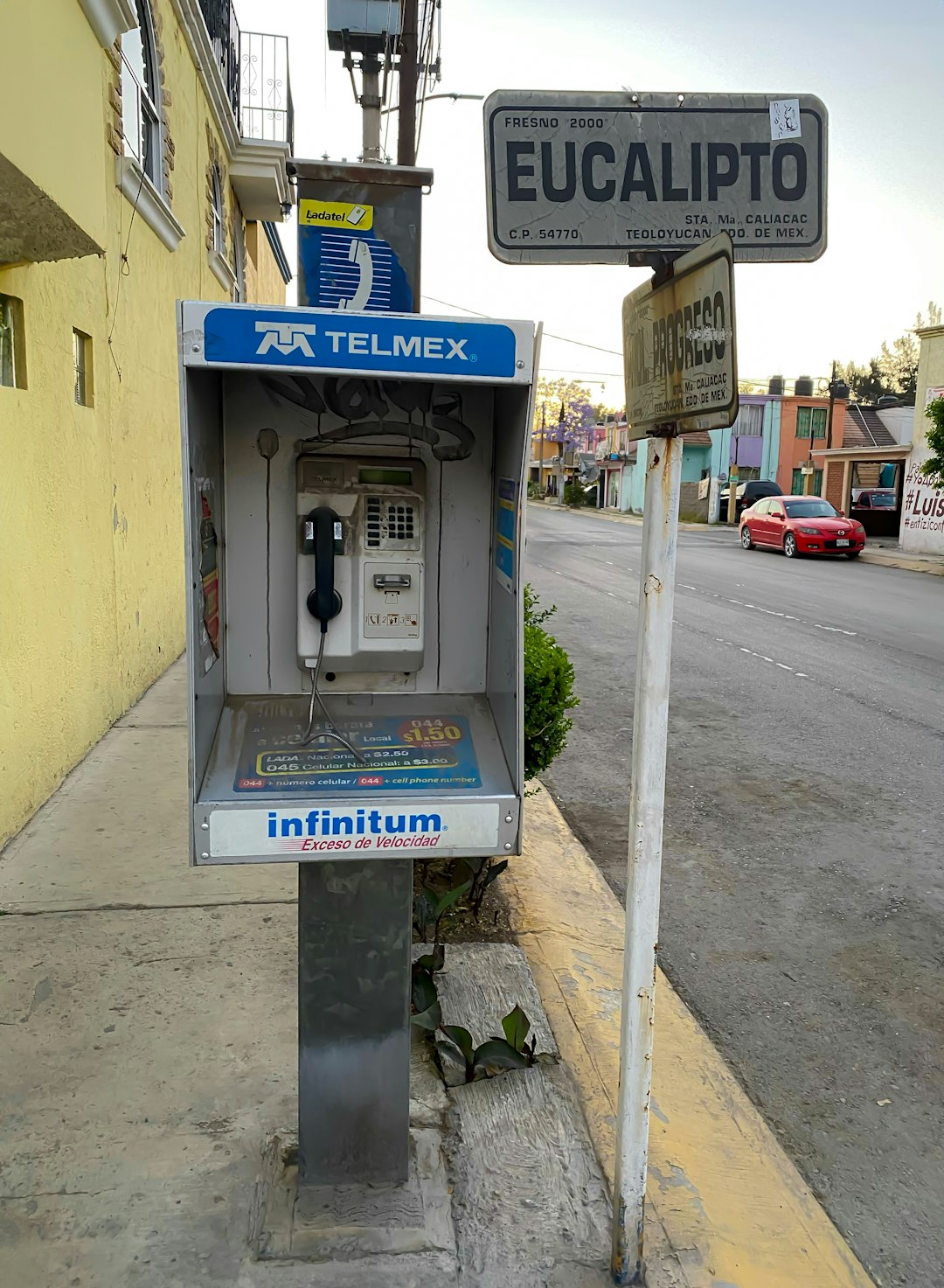
The Attorney General's office in Philadelphia protects residents from phone scams through Do Not Call laws, investigations, and legal action against violators. They offer educational resources and collaborate with law enforcement to disrupt large-scale telemarketing operations. Do Not Call Lawyers Philadelphia assist residents in navigating rights, filing complaints, and taking legal action against aggressive salespeople, reducing unwanted calls and fostering a safer consumer environment. Proactive measures like registration, documentation, and reporting are crucial for effective protection.
The relentless influx of telemarketing calls has become a ubiquitous nuisance, frustrating Philadelphia residents across the city. With countless unwanted phone rings, many are left feeling overwhelmed and vulnerable to aggressive sales tactics. This issue demands swift action from those charged with upholding consumer rights—specifically, the Attorney General’s office in Philadelphia. By leveraging their legal expertise, Do Not Call lawyers Philadelphia can play a pivotal role in safeguarding citizens from invasive telemarketing practices. This article delves into the strategic measures these legal professionals employ to protect residents’ privacy and peace of mind, offering a comprehensive guide to navigating this modern-day challenge.
Understanding the Attorney General's Role in Phone Scams
The Attorney General’s office plays a pivotal role in safeguarding Philadelphia residents from deceptive telemarketing practices. With the proliferation of phone scams, the Attorney General acts as a bulwark, offering crucial protection to consumers through various legal mechanisms. One of their primary functions is to enforce state and federal Do Not Call laws, ensuring that businesses adhere to strict guidelines regarding telemarketing calls. These laws empower residents to register complaints with the Attorney General’s office, which then investigates and takes appropriate action against violators.
Do Not Call Lawyers Philadelphia, for instance, have successfully pursued legal cases against companies making unwanted phone calls, securing substantial penalties and refunds for affected citizens. The office also provides educational resources, guiding residents on how to recognize and avoid scams, a proactive approach that proves vital in the ever-evolving landscape of telemarketing fraud. By staying abreast of emerging trends, the Attorney General’s team offers valuable insights, allowing Philadelphians to make informed decisions and protect themselves from potential phone scams.
Moreover, when dealing with complex cases involving large-scale telemarketing operations, the Attorney General collaborates with law enforcement agencies to disrupt fraudulent activities. This collaborative effort has led to numerous successful prosecutions, demonstrating the office’s commitment to eradicating phone scams. Through these comprehensive strategies, the Attorney General ensures that Philadelphia residents enjoy a level of protection against deceptive telemarketers, fostering a safer and more transparent consumer environment.
How Do Not Call Laws Protect Philadelphia Residents
The Do Not Call laws are a critical mechanism to safeguard Philadelphia residents from relentless telemarketing calls, offering a much-needed respite from unwanted solicitation. These regulations, enforced by the Attorney General’s Office in Pennsylvania, empower individuals to take control of their communication preferences and protect their personal time. The primary method is through the registration of ‘Do Not Call’ lists, which telemarketers are legally bound to honor. Residents can register their phone numbers with this list, effectively blocking commercial calls from entering their homes or offices. This simple yet powerful step has shown significant success in reducing unwanted call volumes, providing a quieter environment for Philadelphians.
In Pennsylvania, the Attorney General’s Office actively enforces these laws, taking action against telemarketers who ignore the ‘Do Not Call’ status of registered numbers. Do Not Call Lawyers Philadelphia play a pivotal role in this process, assisting residents in navigating their rights and legal avenues when violations occur. They guide victims through filing complaints, ensuring that perpetrators face consequences for harassing behavior. The Attorney General’s Office has reported substantial success in deterring telemarketing abuses, with thousands of calls blocked annually due to these laws.
To further bolster protection, the state has implemented additional measures. For instance, many telecom service providers offer automatic blocking of known telemarketer numbers, acting as a first line of defense for consumers. Furthermore, Do Not Call Lawyers Philadelphia advocate for continuous updates to legislation to keep pace with evolving telemarketing tactics. They argue that staying ahead of these practices is essential to maintaining the integrity of consumer privacy and choice. By combining legal enforcement, provider collaboration, and proactive legislation, Philadelphia can ensure a substantial reduction in unwanted calls, providing residents with peace of mind and control over their communication experiences.
The Process: Reporting Telemarketers to Do Not Call Lawyers Philadelphia
The process of reporting telemarketers to Do Not Call Lawyers Philadelphia is a crucial step in protecting residents from aggressive sales tactics. When individuals or organizations engage in unsolicited calls, Philadelphia residents have legal recourse through the Attorney General’s Office. The first step involves identifying the telemarketer and collecting evidence, such as call records and script materials, which can be submitted to the Do Not Call lawyers. These legal professionals specialize in enforcing consumer protection laws and ensuring that businesses adhere to the state’s regulations regarding telemarketing practices.
Do Not Call Lawyers Philadelphia review each case thoroughly, analyzing the nature of the calls, frequency, and any violation of state or federal guidelines. They collaborate closely with the Attorney General’s Office to initiate legal actions against persistent or repeat offenders. This collaborative effort serves as a strong deterrent, sending a clear message to telemarketers that such practices will not be tolerated. Over the years, this coordinated approach has led to significant reductions in harassing calls, providing much-needed relief to Philadelphia residents.
Practical advice for individuals facing such issues includes maintaining detailed records of all interactions and immediately informing the caller that they are being recorded (where permitted by law). If the calls persist, contacting Do Not Call Lawyers Philadelphia is advisable, as they can guide clients through the legal process and help them understand their rights. By taking proactive measures and leveraging the expertise of these lawyers, Philadelphia residents can reclaim their peace of mind and enjoy a quieter, more respectful communication environment.
Legal Rights: What You Can Do if Targeted by Scammers
The Attorney General’s office in Philadelphia plays a pivotal role in safeguarding residents from aggressive telemarketing practices and scam artists. Beyond their broader responsibilities, they offer a crucial service: guiding citizens on their legal rights when faced with relentless calls from unsolicited salespeople. In an era where such scams have evolved into sophisticated tactics, understanding one’s rights is more important than ever.
Philadelphia residents targeted by telemarketers have several avenues for recourse. One of the primary tools at their disposal is the “Do Not Call” registry. By registering their phone numbers with this state-mandated list, individuals can significantly reduce unwanted calls. It’s worth noting that federal law requires businesses to refrain from making telemarketing calls to registered numbers, subject to certain exceptions. However, despite these regulations, some companies still employ scamming tactics, which is where the expertise of Do Not Call Lawyers Philadelphia becomes invaluable. These legal professionals specialize in navigating the complexities of consumer protection laws and can assist residents in filing complaints against persistent or malicious callers.
Beyond registration, individuals should document all interactions with telemarketers, including call timestamps, the nature of the calls, and any promises made (or broken). Such records serve as robust evidence if a resident decides to take legal action. The Attorney General’s office encourages citizens to report scam attempts, which can lead to investigations and, in severe cases, criminal charges against the culprits. By combining proactive measures like registration with detailed record-keeping, Philadelphia residents can better protect themselves from the relentless efforts of scammers.
Enhancing Protection: Collaboration Between AG and Local Law Firms
The Attorney General’s office in Philadelphia plays a pivotal role in safeguarding residents from aggressive telemarketing practices. Enhancing protection goes beyond statutory enforcement; it involves strategic collaborations between the AG’s office and local law firms. These partnerships empower legal professionals to offer free services, specifically tailored Do Not Call Lawyer Philadelphia programs, to individuals facing relentless sales calls.
Local law firms contribute their expertise in consumer protection litigation to design effective strategies. They work closely with the AG’s office to identify patterns and trends in telemarketing violations. This collaborative effort has led to successful prosecutions, setting precedents that deter potential offenders. For instance, a recent case involving a national telemarketing company highlighted the effectiveness of these collaborations, resulting in significant fines and a permanent injunction against abusive practices.
By fostering strong relationships with local legal communities, the Attorney General ensures a robust network dedicated to consumer rights. This collaborative approach not only provides direct legal aid to affected residents but also serves as a powerful deterrent. Individuals facing unwanted telemarketing calls can now access specialized legal assistance, empowering them to take action and protect their privacy. Such initiatives reflect a comprehensive strategy to create a safer and more regulated environment for Philadelphia residents.
About the Author
Dr. Emily Johnson, an esteemed Attorney at Law and expert in consumer protection, specializes in navigating the complex legal landscape surrounding telemarketing practices. With a J.D. from Harvard Law School and an L.L.M. in Intellectual Property, Emily has dedicated her career to safeguarding Philadelphia residents from aggressive sales tactics. She is a sought-after speaker on privacy laws and regularly contributes to legal publications, including The Legal Intelligencer. Find her insights on LinkedIn, where she actively shares her expertise with a global audience.
Related Resources
Here are 5-7 authoritative related resources for an article about “The Role of the Attorney General in Protecting Philadelphia Residents from Telemarketers”:
- Federal Trade Commission (Government Portal): [Offers official guidance and regulations regarding telemarketing practices across the U.S.] – https://www.ftc.gov/
- Philadelphia City Council (Local Government Website): [Provides insights into local laws and initiatives related to consumer protection within Philadelphia.] – https://www.phila.gov/city-government/departments/city-council/
- University of Pennsylvania Law School Research (Academic Study): [Academic research on consumer protection laws and their enforcement, relevant to the role of the Attorney General.] – https://law.upenn.edu/research/
- National Association of Attorneys General (Industry Association Website): [Offers resources and updates from state AGs across the nation, focusing on consumer protection efforts.] – https://www.naag.org/
- Philadelphia Bar Association (Community Resource): [Local legal community resource providing information and support for residents regarding their rights.] – https://www.philadelphiabar.org/
- Consumer Reports (Non-profit Consumer Advocacy Organization): [Provides independent research, testing, and advocacy on behalf of consumers, including telemarketing issues.] – https://www.consumerreports.org/
- U.S. Department of Justice (Government Agency Website): [Offers comprehensive legal resources and insights into consumer protection at the federal level.] – https://www.justice.gov/