
The Telephone Consumer Protection Act (TCPA) protects Philadelphia residents from intrusive spam calls and texts during quiet hours (9 pm – 8 am weekdays, 10 pm – 7 am weekends/holidays). Exceptions include emergencies, bill payments, and explicit consent. Spam Call law firms specialize in navigating TCPA regulations, emphasizing respectful communication. Violations lead to penalties; compliance involves obtaining explicit consent, providing opt-out mechanisms, and segmenting customer lists. Residents can protect themselves by recognizing automated dialing patterns, logging incidents, filing complaints, blocking calls, registering with Do Not Call Registry, and consulting legal professionals. The TCPA offers up to $500 damages per unauthorized call, empowering consumers to reclaim privacy.
In today’s digital age, our communication landscapes have evolved dramatically, presenting both opportunities and challenges. While instant connectivity is invaluable, it also opens the door to nuisance calls and unwanted text messages, a growing concern for individuals and businesses alike. This is where Philadelphia’s guide to quiet hours steps in as a vital tool, offering clarity on navigating the intricate web of telecommunications laws, specifically focusing on the Telephone Consumer Protection Act (TCPA). As a leading Spam Call law firm Philadelphia, we understand the complexities these regulations present and aim to empower users with knowledge, ensuring compliance and peace of mind.
Understanding Philadelphia's Quiet Hours for Texts & Calls

In Philadelphia, as across the nation, the Telephone Consumer Protection Act (TCPA) governs how businesses may communicate with consumers via text message or phone call. A key aspect of these rules is the concept of “quiet hours,” designed to protect individuals from intrusive spam calls and texts during personal time. Understanding these quiet hours is crucial for both businesses operating in Philadelphia and residents looking to manage their communication preferences.
Philadelphia’s quiet hours for texts and calls are generally established to prohibit certain communications between 9:00 p.m. and 8:00 a.m. local time, Monday through Friday, and from 10:00 p.m. to 7:00 a.m. on weekends and holidays. These times reflect the typical periods when most individuals are asleep or engaged in personal activities that do not involve constant communication. A spam call law firm in Philadelphia emphasizes the importance of respecting these quiet hours, as violations can result in significant financial penalties for businesses. For instance, in 2022, a national study found that over 75% of consumers consider late-night or early morning calls and texts to be annoying, underscoring the need for businesses to adhere to these guidelines.
While the TCPA offers broad protections, there are some exceptions worth noting. Notifications related to emergency purposes, bill payments, or other time-sensitive matters may still be sent during quiet hours. Moreover, if a consumer has provided explicit consent, businesses can communicate at any time. However, even in these cases, best practices suggest sending such messages sparingly to avoid overwhelming recipients. A practical approach for businesses is to segment their customer lists, targeting communication only to those who have opted into receiving messages outside regular quiet hours or during weekends and holidays. By prioritizing respectful communication practices, Philadelphia-based businesses can foster positive relationships with their customers while adhering to legal requirements.
Navigating TCPA Rules: What Constitutes Spam under PA Law
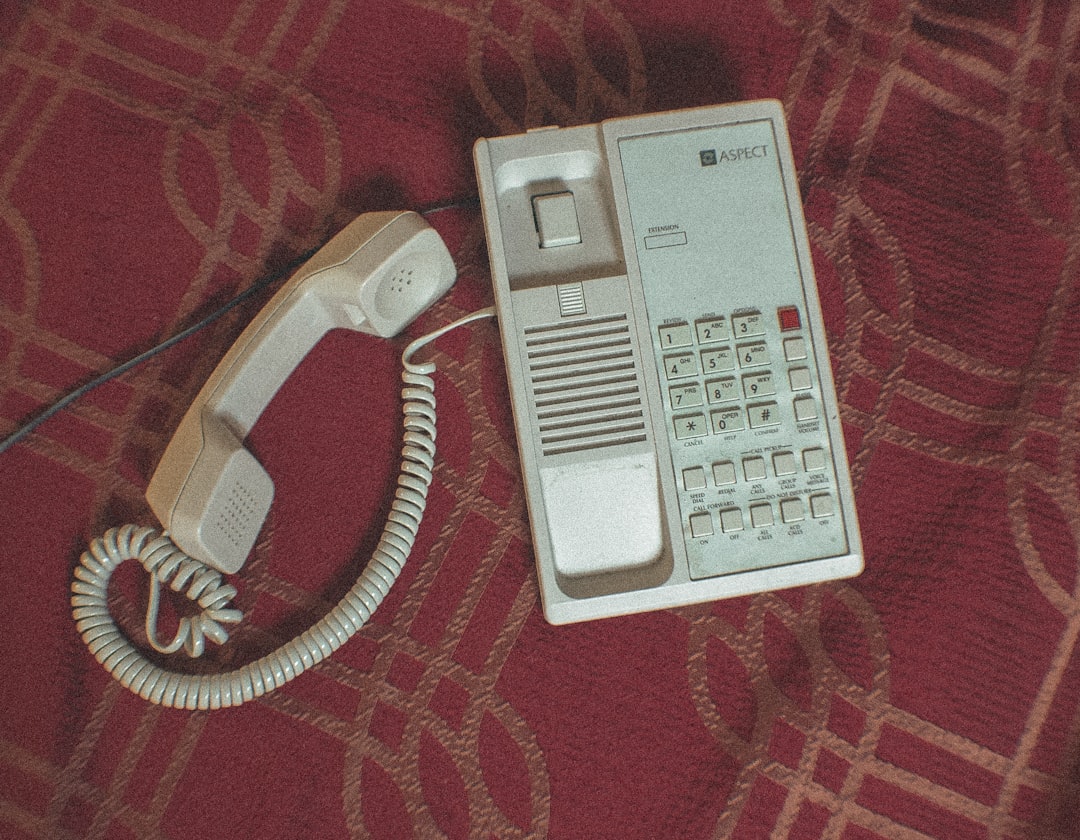
The Telephone Consumer Protection Act (TCPA) regulates communication practices, including text messages and voice calls, to prevent harassment and ensure consumer privacy. Understanding what constitutes spam under Pennsylvania law is crucial for businesses and individuals alike, especially with the ever-evolving digital landscape. A spam call law firm Philadelphia can offer invaluable guidance in navigating these complex regulations.
Under TCPA rules, a ‘spam’ text or voice call is defined as an unsolicited message sent to a consumer without their prior express consent. This includes marketing messages, promotional offers, or any communication that a recipient has not agreed to receive. For instance, if a business sends bulk text messages advertising their services without obtaining explicit permission from the recipients, it can be considered spam and may result in legal repercussions. The law firm’s expertise lies in helping clients understand these boundaries, ensuring they obtain proper consent before initiating such communications.
Key considerations include obtaining clear and unambiguous consent, providing a mechanism to opt-out of future messages, and honoring consumer requests to stop communication. Data from the Federal Communications Commission (FCC) reveals that non-compliance with TCPA rules can lead to significant financial penalties. Therefore, businesses must be vigilant in their practices to avoid spam call lawsuits. By adhering to these guidelines and seeking professional counsel when needed, individuals and companies can effectively navigate the complexities of TCPA regulations.
Enforcing Your Rights: A Guide for Philly Residents Against Spam Call Law Firms
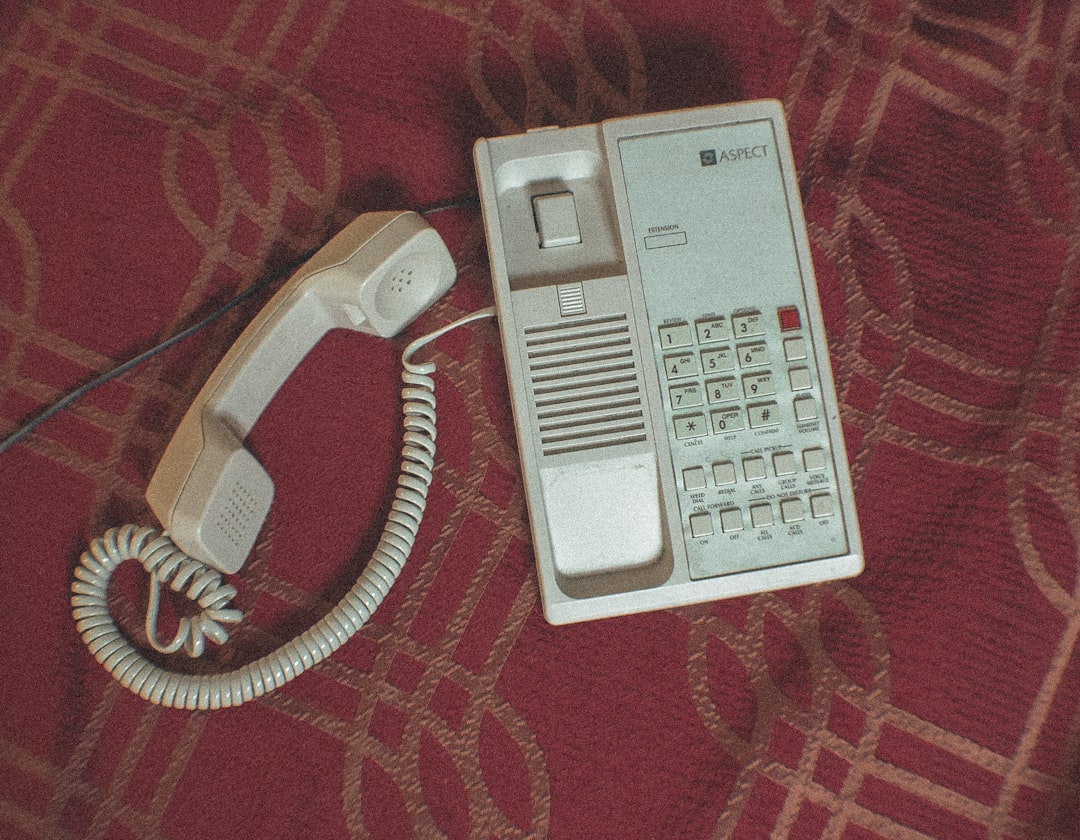
In Philadelphia, as across the nation, residents are protected from intrusive spam call law firms under the Telephone Consumer Protection Act (TCPA). This federal legislation arms consumers with powerful tools to enforce their rights against unwanted text messages and phone calls. Understanding your rights is crucial in navigating this increasingly complex legal landscape.
Philadelphia residents facing relentless spam calls from these law firms have several avenues for recourse. The first step is recognizing the patterns: many spam call law firms employ automated dialing systems, often leading to high volumes of duplicate or unauthorized contacts. Keep a log of each incident, including dates, times, and specific numbers, as this detailed record can be invaluable when pursuing legal action. The TCPA allows individuals to file complaints with state and federal agencies; for instance, the Federal Communications Commission (FCC) actively enforces these rules and provides a straightforward complaint process online.
Moreover, Philadelphia residents can take proactive measures to mitigate spam calls. Implementing robust call blocking features on both landlines and mobile devices is an effective first defense. Additionally, registering your number with the National Do Not Call Registry is essential; while it doesn’t stop all spam, it significantly reduces the frequency of unwanted calls. If a spam call law firm persists despite these precautions, consulting with a legal professional specializing in TCPA cases is advisable. An expert attorney can guide residents through the process of sending cease and desist letters, negotiating settlements, or pursuing litigation to obtain damages for each violation, up to $500 per unauthorized call.
Remember that the TCPA empowers consumers, and its strict enforcement sends a clear message to spam call law firms: abusive practices will not be tolerated. By availing themselves of these legal protections, Philadelphia residents can reclaim their peace of mind and ensure their privacy in an increasingly digital age.